
Taking control of your sexual health is a powerful and empowering choice, and at-home STD test kits make it easier than ever for sexually active individuals to stay informed and protected. Whether you're in a committed relationship, dating, or simply prioritizing your well-being, these discreet and confidential tests allow you to check for common sexually transmitted infections (STIs) from the comfort and privacy of your home—without the hassle of a doctor’s visit. With accurate results and private, hassle-free testing options, you can take charge of your health on your own terms, ensuring peace of mind and confidence in every aspect of your intimate life.
Quick guide

Disclaimer: This information is based on research and is accurate to the best of our knowledge at the time of publication. Please note that the writer has not personally used or tested these products.
What are STDs?
Sexually transmitted infections (STIs), also sometimes referred to as sexually transmitted diseases (STDs), are infections that spread from person to person through sexual contact. This can include vaginal, anal, and oral sex.
Causes of STDs
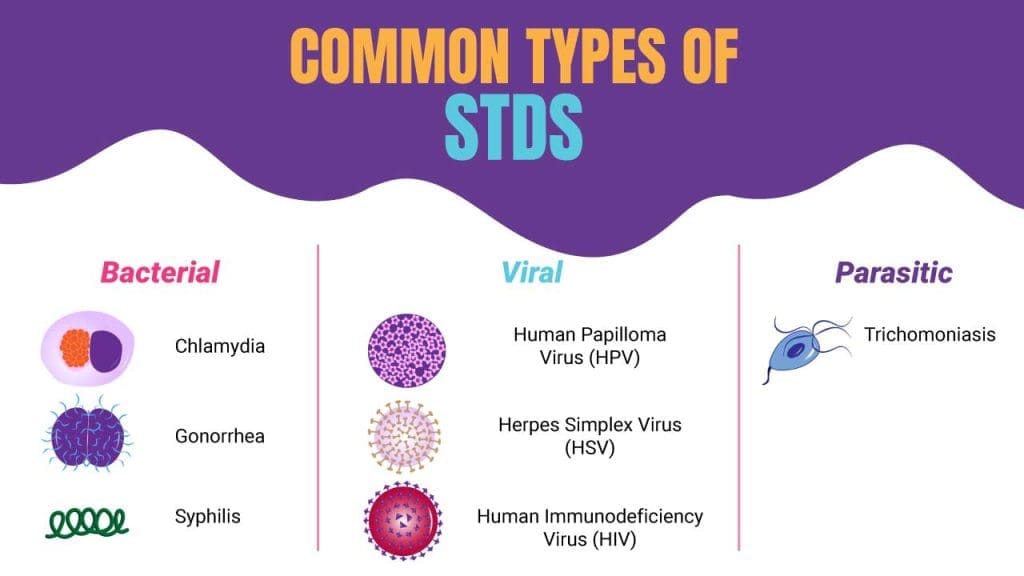
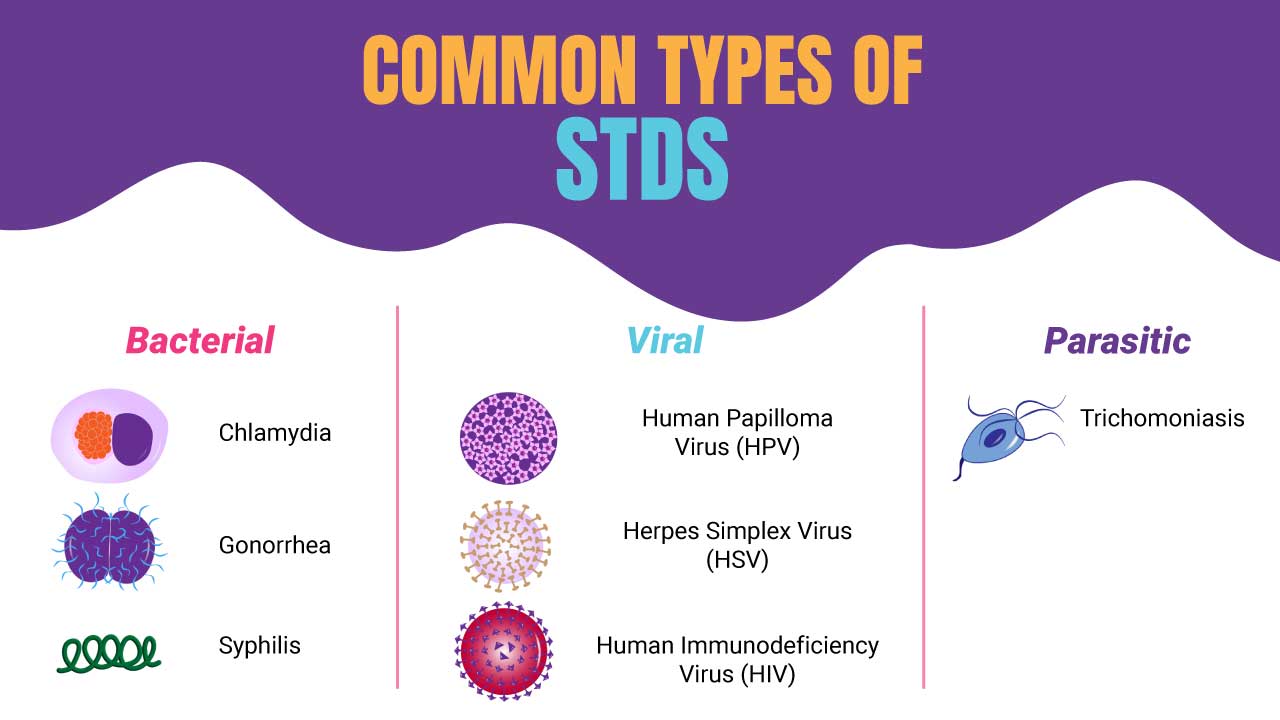
STDs come in a variety of forms, each caused by a different culprit.
Bacteria
- Chlamydia: Chlamydia is a prevalent sexually transmitted infection caused by the bacterium Chlamydia trachomatis and is easily treated with antibiotics. However, many infected individuals experience no symptoms, leading them to unknowingly carry and potentially transmit the infection. It can cause pelvic inflammatory disease (PID) in women, leading to infertility. This is why regular testing is crucial for maintaining sexual health.
- Gonorrhea: Similar to chlamydia, gonorrhea is a prevalent STI caused by the bacterium Neisseria gonorrhoeae. Gonorrhea can infect the genitals, rectum, and throat. Symptoms can include burning during urination, discharge, and pain. Fortunately, it's treatable with antibiotics. Similar to chlamydia, gonorrhea also has a high number of asymptomatic cases. This means many people unknowingly carry the infection, potentially leading to delayed treatment and increased transmission rates. Regular testing is crucial for identifying and preventing the spread of gonorrhea.
- Syphilis: Syphilis, caused by the bacterium Treponema pallidum, is a concerning STI making a worrying comeback. This bacterial infection progresses through distinct stages (primary, secondary, latent, and tertiary), with the initial stages - primary and secondary - being the most infectious. According to CDC, cases of syphilis increased by 78.9% in a 5-year period from 2018 - 2022.
- Gardnerella: Gardnerella vaginalis isn't quite an STI, but it plays a role in a common vaginal infection called bacterial vaginosis (BV). Gardnerella is naturally present in small amounts in most healthy vaginas. However, when Gardnerella overgrows in an imbalance in the vaginal microbiome, it can lead to BV. Symptoms like abnormal discharge with a fishy odor may occur, but many women with BV experience no symptoms at all.
Viruses
- HIV I & II: Unlike chlamydia, which is curable with antibiotics, HIV, or the human immunodeficiency virus, poses a more serious threat. Spread through bodily fluids like blood or during intercourse, HIV attacks and weakens the body's immune system over time. This progressive decline can eventually lead to a condition known as AIDS (Acquired Immunodeficiency Syndrome).
- Hepatitis C: Hepatitis C, caused by the hepatitis C virus (HCV), is a liver infection primarily transmitted through blood-borne contact. Sharing needles or exposure to infected blood are the most common ways to contract it. While rare, unprotected sexual intercourse can also be a transmission route. Early detection and treatment are crucial, as left untreated, Hepatitis C can lead to serious liver damage.
- Herpes: There are two main types of herpes that can be sexually transmitted: herpes simplex virus type 1 (HSV-1), typically associated with cold sores around the mouth, and herpes simplex virus type 2 (HSV-2), which primarily causes genital herpes. While some people experience recurring outbreaks with visible blisters, a significant portion (up to 50% for HSV-1 and 70% for HSV-2) may have no symptoms at all. This asymptomatic shedding of the virus can still lead to transmission. Although there's no cure for herpes, antiviral medications can help manage outbreaks and reduce the risk of transmission.
- Human Papillomavirus (HPV): Human Papillomavirus (HPV) is a very common viral infection that doesn't always present symptoms. There are over 200 strains of HPV, and some can lead to genital warts or an increased risk of certain cancers, particularly cervical cancer. While most HPV infections clear up on their own within a few years, some strains can persist and require further treatment. Unfortunately, there's no single test to detect all HPV strains, but there are screening options available for women to identify precancerous changes caused by certain HPV types. Vaccination offers the best protection against HPV-related cancers, and it's recommended for both men and women at specific age ranges.
Parasite
- Trichomoniasis: Trichomoniasis, often called "trich," is a prevalent infection caused by a tiny parasite known as Trichomonas vaginalis. This microscopic parasite can cause vaginal itching, burning, and discharge in women and irritation in men. Surprisingly, around 70% of infected individuals experience no symptoms at all. This silent spread makes regular testing crucial for identifying and treating trichomoniasis, a common yet treatable condition.
Other
- Mycoplasma Genitalium: Mycoplasma genitalium (Mgen) is a unique organism that behaves similarly to bacteria but lacks a cell wall, a key feature of true bacteria. This makes its classification a bit debated, though it's definitely considered an STD. Mgen is becoming increasingly common, and while treatable with antibiotics, growing resistance to these medications is a concern. Similar to chlamydia and gonorrhea, many people with Mgen infection (around 50%) experience no symptoms, leading to potential delays in diagnosis and treatment. Regular testing for Mgen is recommended, especially for those with risk factors like multiple sexual partners or a history of other STDs.
- Ureaplasma: Ureaplasma can be sexually transmitted and sometimes lead to infections in the urogenital tract. While often harmless, it can occasionally cause issues like urethritis (inflammation of the urethra) or bacterial vaginosis. The presence of Ureaplasma can also complicate pregnancy. Testing can identify Ureaplasma, but interpreting results can be complex as it can sometimes reside without causing problems.
What are the signs and symptoms for STDs?
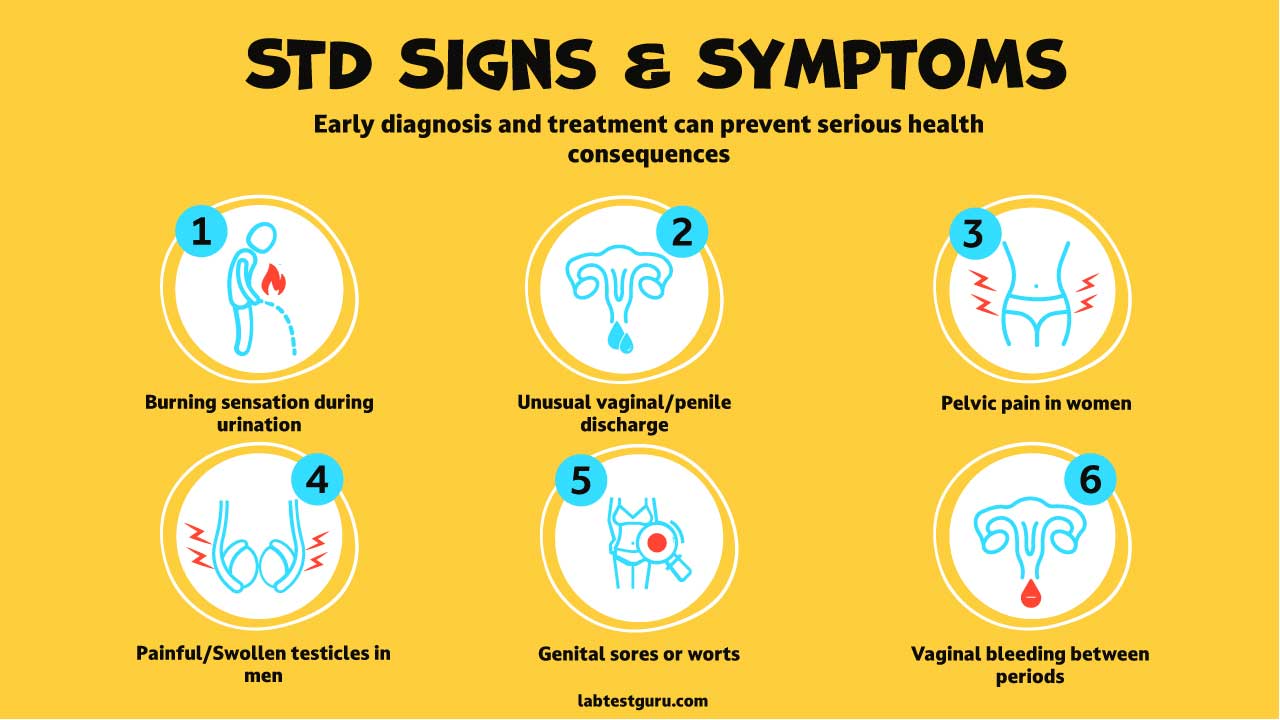
The tricky part about STIs is that many people don't experience any symptoms at all. This can lead to unknowingly spreading the infection to partners. However, there are some general signs and symptoms to watch out for:
Genital area
- Burning or itching
- Sores, bumps, or warts
- Unusual discharge (color, consistency, or odor)
- Pain during sex
Urinary system
- Pain or burning urination
- Increased urination frequency
Pelvic pain: Men and women can experience pelvic pain, although it's more common in women.
Here's a breakdown of symptoms for some specific STIs
- Chlamydia and Gonorrhea: Often asymptomatic, but may cause burning urination, discharge, and pelvic pain in women.
- Trichomoniasis: Vaginal itching, burning, discharge with a fishy odor in women, and irritation in men.
- HIV: Early symptoms may resemble flu, but later stages can involve weight loss, fatigue, and swollen lymph nodes.
- Hepatitis C: Often asymptomatic for years, but fatigue, nausea, and abdominal pain can occur in later stages.
- Herpes: Outbreaks of painful blisters on the genitals or mouth.
- Syphilis: Stages can cause painless sores, rashes on various body parts, and neurological problems if left untreated.
- Mycoplasma Genitalium: Similar symptoms to chlamydia, including pelvic inflammatory disease.
Symptoms in Women
- Bleeding between periods: This can be a sign of cervical infection.
- Pain during sex: This can be caused by inflammation or irritation.
Symptoms in Men
- Swollen or painful testicles: This can be a sign of gonorrhea or chlamydia.
- Painful or difficult bowel movements: This can be a sign of rectal infection.
Remember
- The absence of symptoms doesn't necessarily mean you don't have an STI.
- If you experience any of these symptoms, it's important to get tested to determine the cause and get treatment if necessary.
- Early detection and treatment of STIs can help prevent serious health complications. At-home STD test kits are a good way to ensure privacy and discretion.
How long after exposure should you test for STDs?
The waiting period for accurate STD testing depends on the specific infection.
- Chlamydia and Gonorrhea: Ideally, wait at least 14 days after possible exposure for optimal test accuracy.
- HIV: The recommended waiting period for HIV tests is 28 days after potential exposure. However, some rapid HIV tests can be accurate as early as 3 months after exposure.
- Syphilis: For syphilis, the waiting period can vary depending on the test used. It's generally recommended to wait 3 months after exposure for a definitive result.
- Hepatitis B and C: The window period for Hepatitis B and C is longer. It's best to wait 6 weeks to 3 months after exposure for Hepatitis B and 8-9 weeks for Hepatitis C.
- Herpes: There's no perfect blood test for herpes, especially for early detection. If you have a visible outbreak, a swab test can be done to diagnose the specific type (HSV-1 or HSV-2).
- Trichomoniasis: You can get tested for Trichomoniasis as soon as you experience symptoms, although waiting a week may increase test accuracy.
General tips for STD testing
- Talk to your doctor: They can advise you on the best type of test based on your individual risk factors and concerns.
- Consider the type of test: There are different types of tests available for each STD, some more sensitive than others.
- Be aware of window periods: It's important to wait long enough after exposure for the test to be accurate.
- Get retested if needed: Even if your initial test is negative, it's important to get retested if you have a later exposure or develop symptoms.
Pros and cons of at-home STD tests
At-home STD test kits offer a convenient and potentially discreet way to check your sexual health. However, they come with both advantages and disadvantages to consider.
| Pros | Cons |
|---|---|
| ✅ Convenience: STD testing can be done in the privacy of your own home, eliminating the need for a doctor's appointment or clinic visit. ✅ Discretion: No need to explain your concerns to a healthcare professional, which can be appealing for those uncomfortable discussing sexual health. ✅ Accessibility: At-home STD test kits can be particularly helpful for people in areas with limited access to healthcare facilities. ✅ Faster Results: Some at-home STD tests offer relatively quick turnaround times, allowing you to know your status sooner. ✅ Potentially Lower Cost: In some cases, at-home STD tests can be cheaper than traditional clinic testing, especially if you don't have health insurance coverage. | ❌ Accuracy: User error during sample collection can lead to inaccurate results, either false positives or negatives. ❌ Limited Testing Options: Not all STIs are covered by at-home STD test kits. ❌ Follow-Up Care: Some at-home STD kits don't include consultations with healthcare professionals for treatment or guidance after receiving results. ❌ Partner Notification: The responsibility falls on you to inform past sexual partners if you test positive. ❌ Privacy Concerns: While some companies prioritize data security, research the company's privacy practices before using their at-home STD test kit. |
Here are some additional points to consider
- Always follow the test instructions carefully.
- At-home STD tests are best for preventative screening, not as a diagnostic tool after experiencing symptoms.
- If you test positive, consult a healthcare professional for proper diagnosis, treatment, and partner notification guidance.
Ultimately, the decision of whether to use an at-home STD test kit depends on your individual circumstances and comfort level. Consider the pros and cons carefully and discuss them with your doctor if you have any questions.
Who can/ should get tested for STD?
Getting tested for STDs is a wise decision for a wide range of people, especially those who engage in any sexual activity.
- Sexually Active People: Anyone who engages in any type of sexual activity, including vaginal, anal, or oral sex, should consider regular STD testing. This is especially important if you have new sexual partners or multiple partners.
- People with New Partners: Before entering a new sexual relationship, both partners ideally should get tested for STDs. This helps establish a baseline and reduces the risk of transmission.
- People in Open Relationships: If you're in a non-monogamous relationship, consistent STD testing is crucial for protecting yourself and your partners.
- Pregnant Women: Early detection and treatment of STDs during pregnancy can prevent serious complications for both mother and baby.
- People with a History of STDs: If you've ever been diagnosed with an STD, it's important to be retested after completing treatment and again in the future, especially if you have new sexual partners.
- People with Symptoms: If you experience any potential STD symptoms like unusual discharge, genital sores, or burning during urination, get tested to determine the cause and get treatment if necessary.
- People Who Have Been Sexually Assaulted: If you've been sexually assaulted, medical attention is essential. This may include STD testing and preventative medications to reduce the risk of contracting an STI.
- People who inject drugs: Sharing needles or syringes can transmit STDs like HIV and hepatitis C.
Remember
- STD testing is a routine part of maintaining good sexual health.
- There's no shame in getting tested – it's a responsible way to protect yourself and your partners.
- Many testing options are available, including at-home STD test kits, doctor's offices, and Planned Parenthood clinics.
If you're unsure whether you should get tested, talk to your doctor. They can assess your individual risk factors and recommend the most appropriate testing strategy.
How to choose the right at-home STD test?
Choosing the right at-home STD test kit depends on your individual needs and sexual health history.
Consider the Type of at-home STD Test
- Single STD Tests: These target a specific infection, like chlamydia or HIV. Choose this if you know what you're concerned about.
- Multi-Panel Tests: These screen for a variety of STDs, often including the most common ones. This is a good option for a general check-up.
- Wellness Panels: Some at-home STD test kits go beyond STDs and test for other factors like overall hormone health or urinary tract infections. Consider this if you want a broader picture.
Factors to Consider
- Your Sexual Lifestyle: This is the most important factor. If you're in a monogamous relationship and haven't had any recent risks, a basic test with 3-4 STIs might be sufficient. However, if you have multiple partners, a more comprehensive panel (8-10+) might be advisable.
- Specific Concerns: If you're worried about a particular STD due to symptoms or potential exposure, you can choose a test that includes that specific infection.
- Cost and Convenience: Multi-panel tests are generally more expensive than single-test options. Consider your budget and how many tests you're comfortable taking. Some tests offer tiered pricing depending on the number of STIs included.
General Rule
- Low Risk: If you're in a monogamous relationship with no recent risks, a test for Chlamydia, Gonorrhea, and Trichomoniasis (3-panel) might be suitable.
- Moderate Risk: If you have a new partner or multiple partners, consider a test covering Chlamydia, Gonorrhea, Trichomoniasis, HIV, and Syphilis (5-panel).
- High Risk: If you have frequent partners or engage in high-risk activities, a more comprehensive test covering 8-14 STIs might be best. This may include additional infections like Hepatitis B & C, Mycoplasma Genitalium, and HPV (Human Papillomavirus).
Think About Accuracy
- Sample Collection Method: Swabs and urine samples are generally easier to collect at home, but some tests might require a blood draw, which may require a healthcare professional or help of a friend if you are squeamish.
- Test Sensitivity: Look for tests with high sensitivity to minimize the risk of false negatives.
Ease of Use and Privacy
- Clear Instructions: The at-home STD test kit should come with easy-to-understand instructions for sample collection and result interpretation.
- Discreet Packaging and Labeling: Ensure the at-home STD test kit arrives in unmarked packaging to maintain privacy.
- Data Security: Research the company's data security practices to confirm they protect your personal information.
Cost and Turnaround Time
- Compare Prices: At-home STD tests can vary in cost depending on the number of STDs covered and additional features.
- Turnaround Time: Consider how quickly you need results. Some tests offer same-day or next-day results through external labs, while others may take a week or longer.
Follow-Up Care
- Limited Support: Some at-home STD tests don't include consultations with healthcare professionals for positive results.
- Treatment Plan: If you test positive, factor in the cost of a doctor's visit and potential medications.
- Partner Notification: The responsibility of informing past sexual partners falls on you. Consider resources available to help with this sensitive conversation.
Additional Tips
- Read Reviews: Look for reviews from other customers to gauge the company's reputation and test accuracy.
- Consult Your Doctor: Discuss your sexual health history with your doctor and get their recommendations for STD testing. They can also advise you on interpreting results and next steps.
By considering these factors, you can choose the at-home STD test kit that best meets your needs and empowers you to take control of your sexual health.
Our Recommendations for at-home STD Test kits
Brand: myLab Box
Easy to Use: Clear instructions and user-friendly sample collection ensure a smooth testing experience. They also provide detailed video and PDF instructions on how to collect your samples on their website.
Reliable Results: myLAB Box partners with accredited laboratories with CAP and CLIA certifications for accurate and dependable test results and HIPAA web security protocols to protect your data.
- Certified CAP and CLIA: These certifications indicate that the lab processing your test samples adheres to strict quality guidelines, ensuring accurate and reliable test results.
- CAP (College of American Pathologists): This is a professional organization that sets standards and conducts accreditation for laboratories in the US. CAP accreditation ensures the laboratory meets rigorous quality standards for testing accuracy and reliability.
- CLIA (Clinical Laboratory Improvement Amendments): These are federal regulations in the US that govern the quality and safety of clinical laboratory testing. A CLIA certification signifies the lab meets these government-mandated standards.
- HIPAA Web Security Protocols: HIPAA (Health Insurance Portability and Accountability Act): This is a US law that protects the privacy of individuals' health information. HIPAA compliance requires healthcare providers and organizations to implement safeguards to protect patient data. Web security protocols refer to the technical measures taken to secure your data online. By mentioning HIPAA compliance and web security protocols, the company assures you that your personal health information is protected throughout the testing process. In the context of at-home STD testing, these protocols likely include:
- Encryption: Scrambling your data during transmission and storage to prevent unauthorized access.
- Secure logins: Requiring strong passwords and two-factor authentication to access your test results.
- Limited data access: Restricting access to your information only to authorized personnel.
Discretion Assured: Your test kit arrives in unmarked packaging, and your privacy is strictly protected.
Accessible Testing: myLAB Box STD tests are available to anyone 14 or older, which is crucial since STD rates are highest among adolescents and young adults.
Follow-up: If your test comes back positive, they'll provide instructions on how to connect with a licensed physician in your state for a free telemedicine consultation. This doctor can discuss your results, answer questions, and potentially prescribe treatment for common infections like Chlamydia, Gonorrhea, Trichomoniasis, Bacterial Vaginosis, Yeast Infections, or UTIs (Urinary Tract Infections). Depending on the diagnosis, follow-up testing might be necessary to ensure the infection has cleared completely.
Options
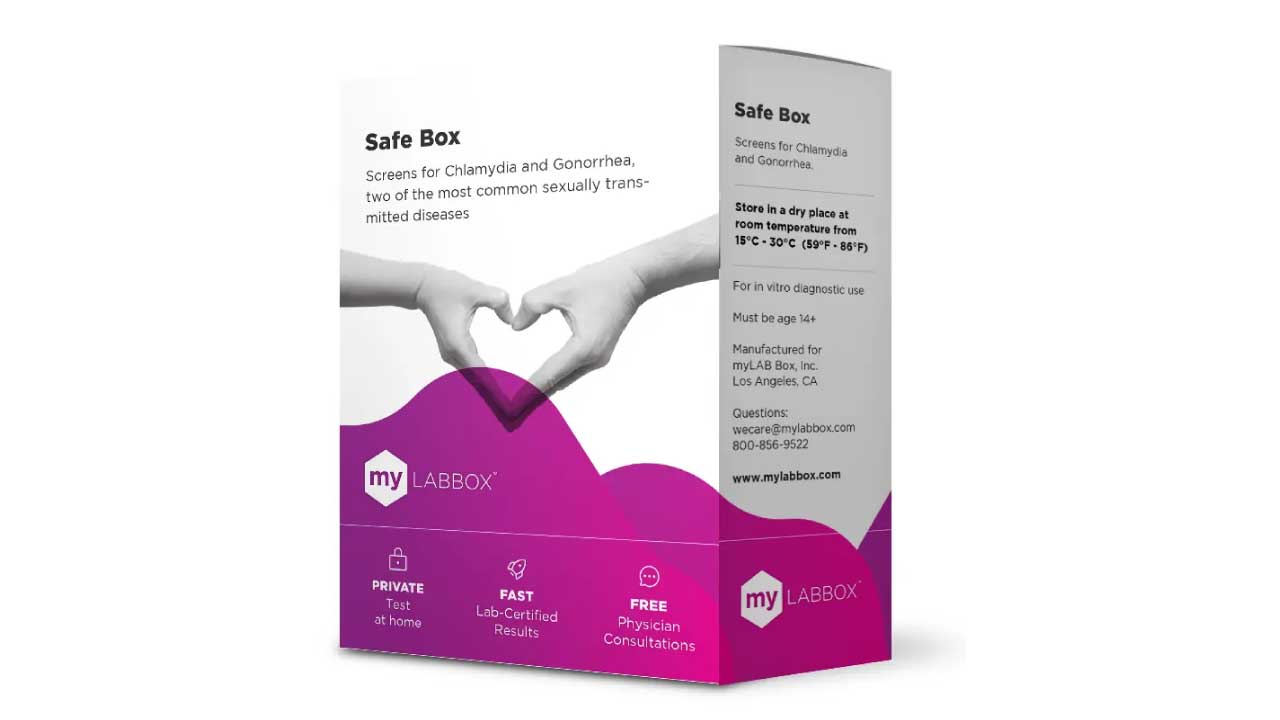
Safe Box - 5 Panel at-home STD test pack
Product details: This 5-panel at-home STD test from myLab Box screens for Chlamydia, Gonorrhea, Trichomoniasis, and HIV I & II. This kit offers a convenient at-home STD test that screens for 5 of the most prevalent STDs in the United States, covering a significant 71% of reported cases (excluding HPV, the most common). This includes Chlamydia, Trichomoniasis, and Gonorrhea, which rank as the 2nd, 3rd, and 4th most frequent new infections each year, according to national data. The good news? All these STDs are curable with early detection.
Specimen required: Their test uses urine (for males) or vaginal swab (for females) and blood for easy sample collection. Simply return your sample in the prepaid envelope provided.
Subscribe and Save: Available. FSA/HSA cards accepted.
Limitations: The test focuses on genital infections and may not detect oral or anal STIs. Individuals engaging in oral or anal sex should consider additional testing methods. As with any at-home test, there is a risk of user error during sample collection, which can affect the accuracy of results. Proper adherence to instructions is crucial.
Uber Box – 8 Panel At Home STD Test Kit
Product details: This 8-panel at-home STD test from myLab Box screens for Chlamydia, Gonorrhea, Hepatitis C, HIV (I & II), Herpes Simplex 2, Syphilis, and Trichomoniasis
Specimen required: Their test uses urine (for males) or vaginal swab (for females) and blood for easy sample collection. Simply return your sample in the prepaid envelope provided.
Subscribe and Save: Available. FSA/HSA cards accepted.
Limitations: The test focuses on genital infections and may not detect oral or anal STIs. Individuals engaging in oral or anal sex should consider additional testing methods. As with any at-home test, there is a risk of user error during sample collection, which can affect the accuracy of results. Proper adherence to instructions is crucial.
Love Box At Home STD Test Kit for Couples
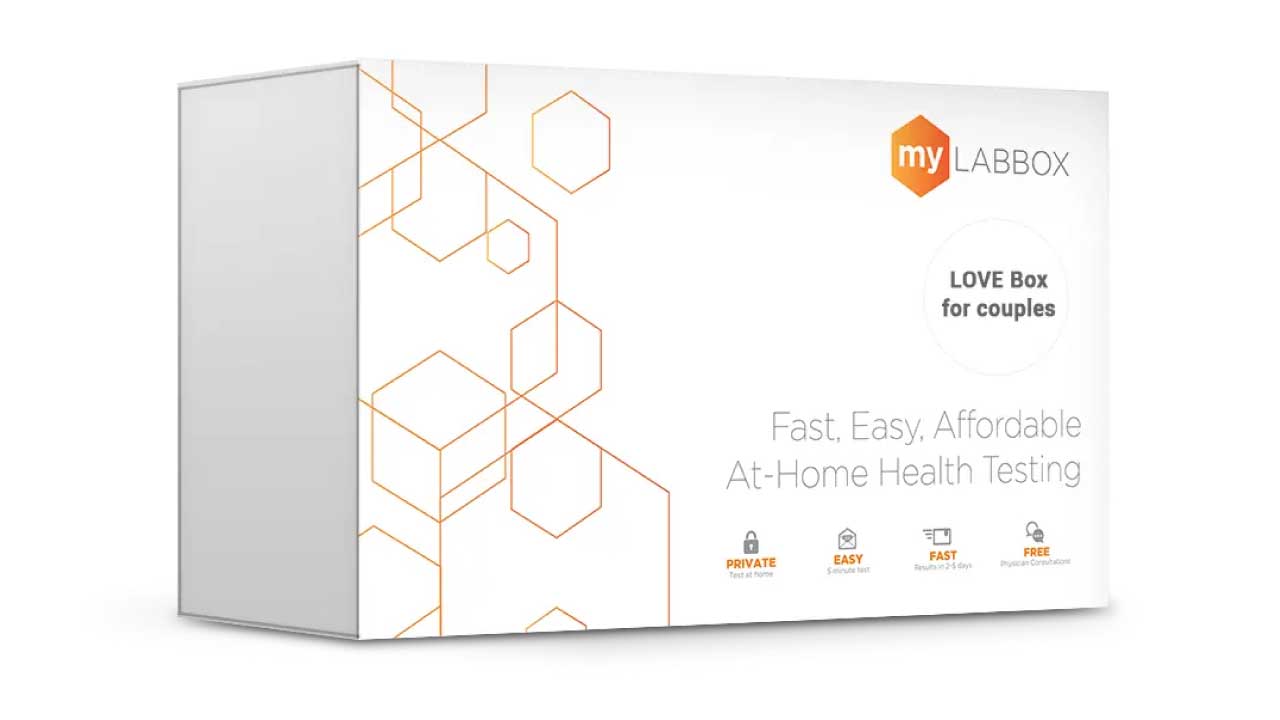
Product details: The Love Box is a convenient at-home STD test kit designed specifically for couples. Get discreet testing, together, in the comfort of your own home. This 8-panel at-home STD test from myLab Box screens for Chlamydia, Gonorrhea, Hepatitis C, HIV (I & II), Herpes Simplex 2, Syphilis, and Trichomoniasis. You can choose from Male + Male, Male + Female or Female + Female at-home STD test kits.
Specimen required: Their test uses urine (for males) or vaginal swab (for females) and blood for easy sample collection. Simply return your sample in the prepaid envelope provided.
Limitations: The test focuses on genital infections and may not detect oral or anal STIs. Individuals engaging in oral or anal sex should consider additional testing methods. As with any at-home test, there is a risk of user error during sample collection, which can affect the accuracy of results. Proper adherence to instructions is crucial.
Total Box – 14 Panel At Home STD Test Kit
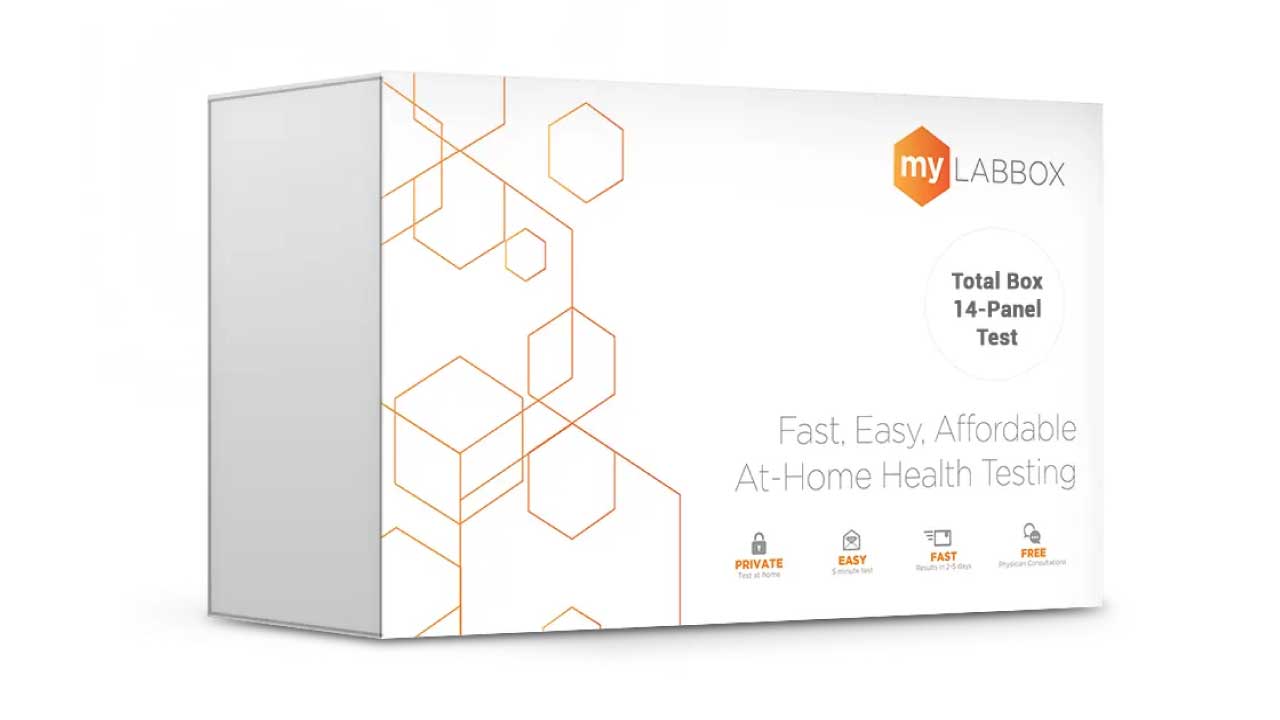
Product details: This 14-panel at-home STD test from myLab Box screens for HIV I & II, Hepatitis C, Herpes, Syphilis, Chlamydia (genital, throat & rectal), Gonorrhea (genital, throat & rectal), Trichomoniasis, Mycoplasma Genitalium, and Human papillomavirus (HPV) (optional add-on for women 30 years of age and older). Get the most thorough STD screening available at home with their comprehensive panel. Reduce your risk and check for a wide range of infections with a single sample collection. Easy-to-follow instructions make testing convenient – in just 5 minutes.
Specimen required: Vaginal swab (for female) or urine (for male), rectal swab, oral swab and blood.
Subscribe and Save: Available.
Limitations: The kit requires self-collection of various samples, including blood from a finger prick, urine, and swabs (oral, vaginal, and rectal). Improper collection techniques can lead to inaccurate results.
Brand: Simple Healthkit
Easy to Use: A clear easy-to-follow collection guide is included in the kit.
Reliable Results: Your samples are processed in the CAP and CLIA-certified laboratories. Results are delivered through a HIPAA-compliant portal.
Fast Turnaround: Get your results within 24 hours of it reaching their laboratory.
Follow-up: If your test comes back positive or abnormal, a free telehealth visit can be requested at no additional cost.
Options
Common STD Test

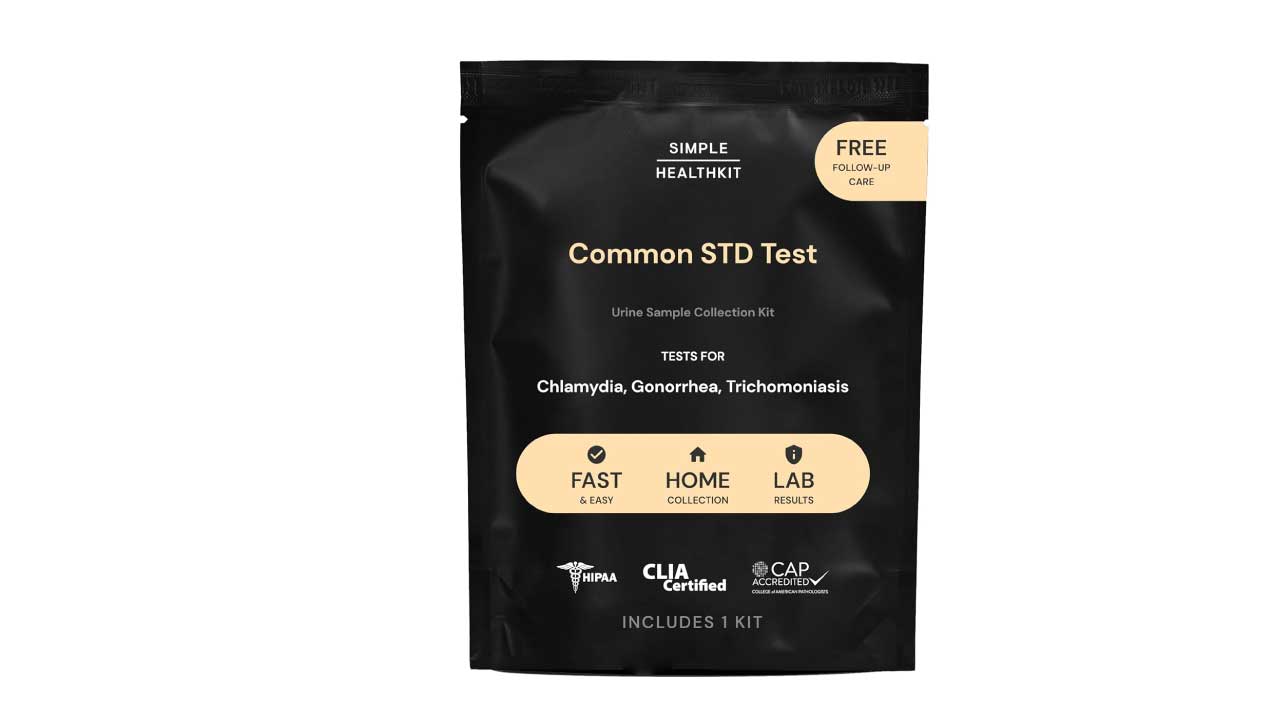
Product details: This at-home STD test from Simple Healthkit screens for Chlamydia, Gonorrhea and Trichomoniasis. This convenient at-home STD test kit is designed for your privacy and ease of use. It screens for three of the most common curable sexually transmitted infections: chlamydia, gonorrhea, and trichomoniasis.
Specimen required: Urine. You should only collect your sample from Sunday - Thursday to avoid USPS shipping delays. Sample should be dropped off within 24 hours of sample collection and registration.
Cost: FSA/HSA reimbursable.
Limitations: The test requires a urine sample, which may not detect infections present in throat or rectal areas.Those who engage in oral or anal sex may need additional testing.
Expanded STD Test
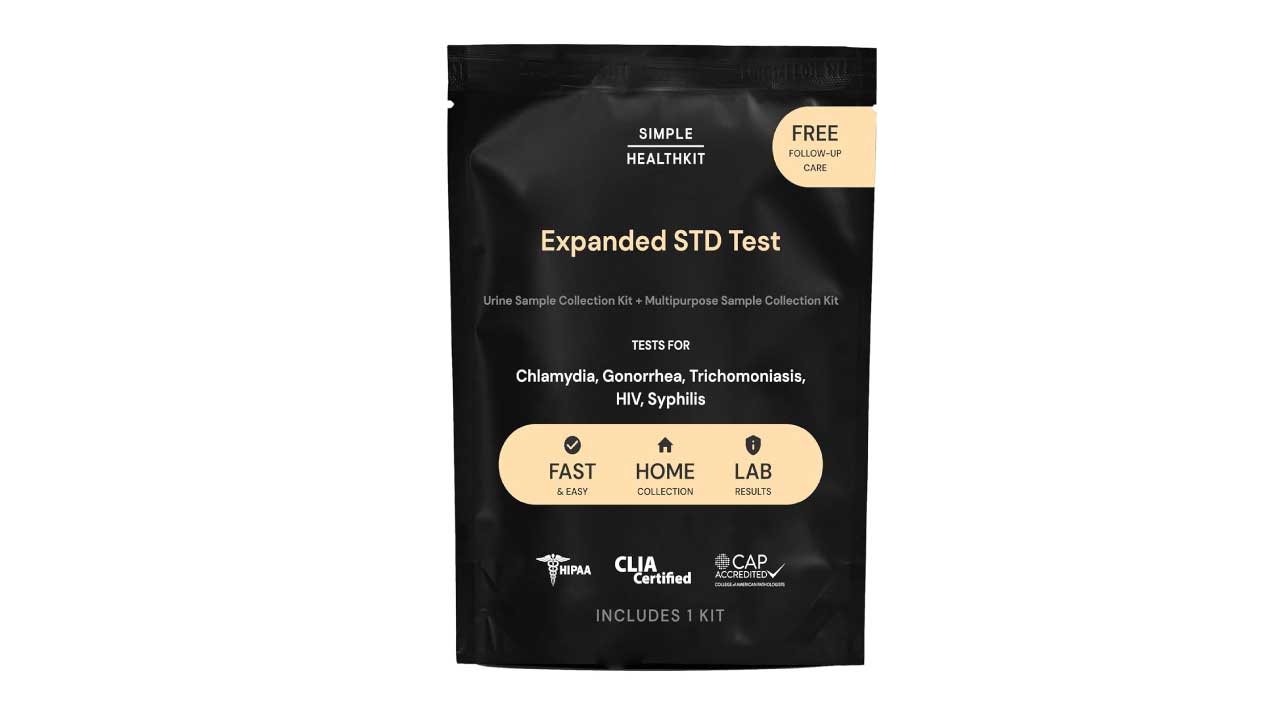
Product details: This at-home STD test from Simple Healthkit screens for Chlamydia, Gonorrhea, Trichomoniasis, HIV and Syphilis. This convenient at-home STD test kit is designed for your privacy and ease of use.
Specimen required: Blood and urine.
Cost: FSA/HSA reimbursable.
Limitations: The test requires both a finger-prick blood sample and a urine sample. Improper collection techniques can lead to inaccurate results.
Brand: Verisana
Comprehensive STD Test for Men / Women

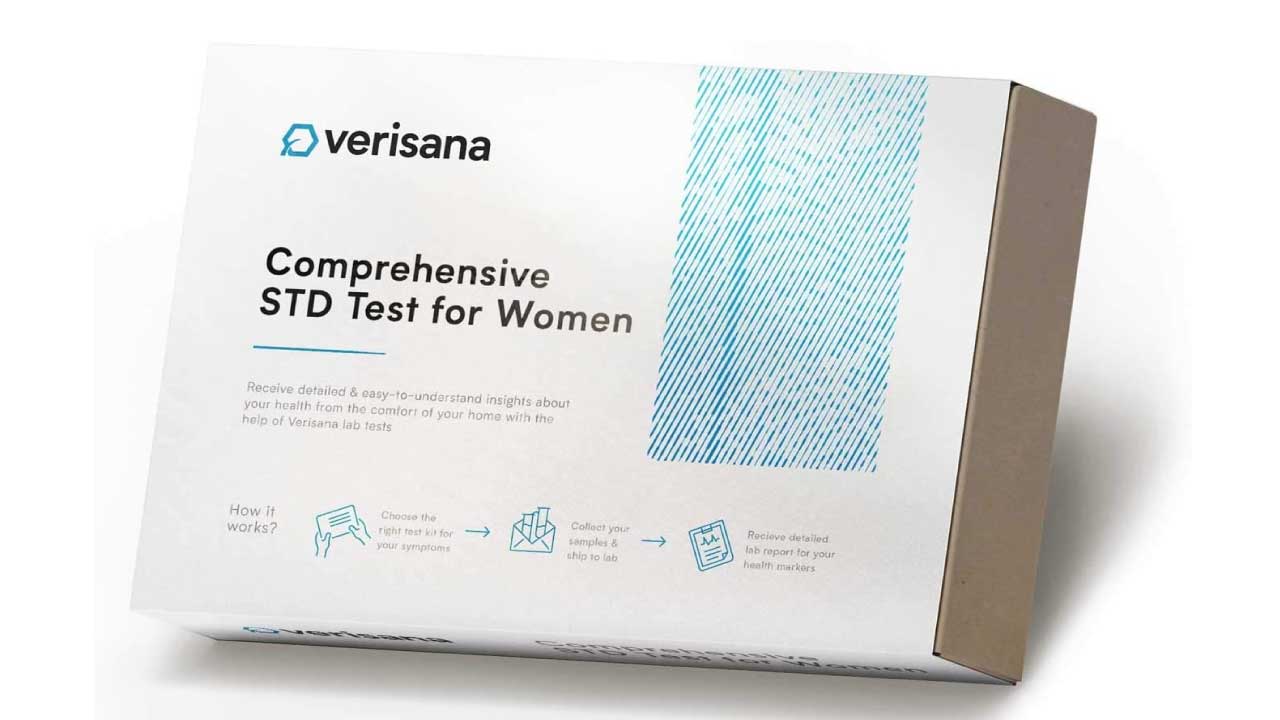
Product details: The Verisana Comprehensive STD Test is an at-home testing kit designed for both men and women to screen for seven common sexually transmitted infections: Chlamydia, Gonorrhea, Trichomoniasis, HIV, Hepatitis C, Herpes Simplex Virus Type II and Syphilis.
Easy to Use: The test kit includes all necessary materials for sample collection, allowing you to collect samples in the privacy of your home.
Reliable Results: Once collected, the samples are sent to Verisana's laboratory for analysis. The tests are conducted using established laboratory methods to ensure accurate and reliable results.
Specimen required: For women, the required specimens are a urine sample and a blood spot; for men, a urine sample and a blood spot are needed.
Physician-reviewed: The laboratory report is reviewed by qualified medical professionals to ensure accuracy and reliability.
Follow-up: After analysis, you will receive a detailed report via email, explaining your results. If any of your results are positive, it's recommended to consult with a healthcare provider for further evaluation and treatment options.
Limitations: This test is not available in certain states due to regulatory reasons, including Maryland (MD), New Jersey (NJ), New York (NY), and Rhode Island (RI). Additionally, while the test is comprehensive, it does not cover all possible STDs. It's important to consult with a healthcare provider for a complete assessment of your sexual health.
Disclaimer: This information is for general knowledge and informational purposes only and does not constitute medical advice. Always consult with a qualified healthcare professional for any health concerns or before making any decisions related to your health.
References
- https://www.cdc.gov/sti/index.html
- Garcia MR, Leslie SW, Wray AA. Sexually Transmitted Infections. [Updated 2024 Apr 20]. In: StatPearls [Internet]. Treasure Island (FL): StatPearls Publishing; 2025 Jan-.
- World Health Organization (WHO) – Sexually Transmitted Infections (STIs)
- MedlinePlus – Sexually Transmitted Infections (STIs)